AC Contactor Selection Guide: SMO-K Series Ratings, Coils, and Applications
Published: Author: Rachel
Every motor starter has one. Every HVAC control panel hides a few. The AC contactor is the workhorse that switches power on and off millions of times, and it rarely gets a second thought. Until it fails.
Selection isn’t complicated, but it’s unforgiving. Get three numbers right, and the contactor outlasts the machine it controls. Get them wrong, and you’ll be replacing contacts in six months.
How an AC Contactor Works
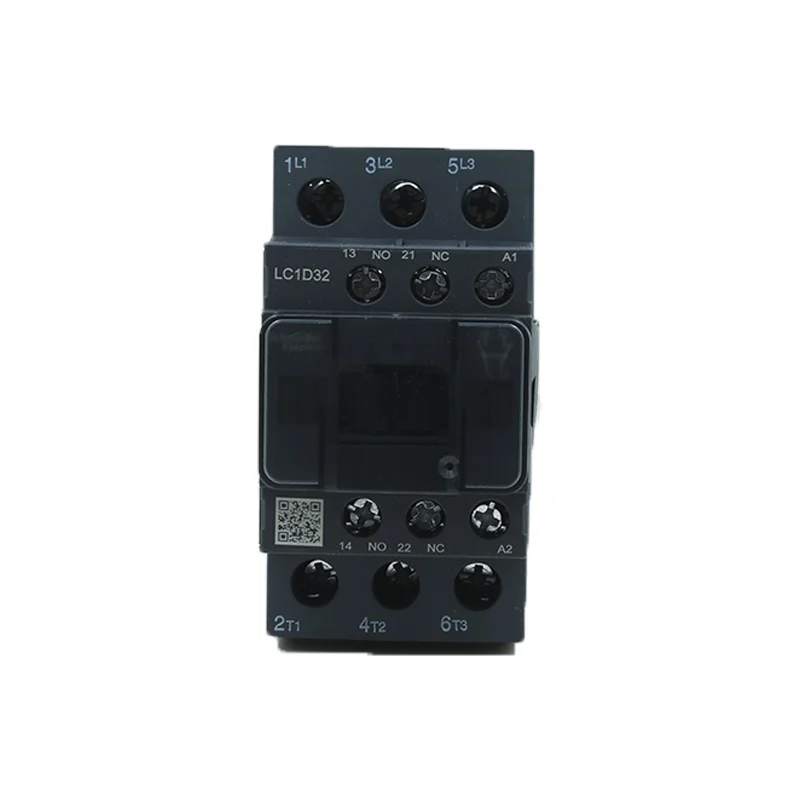
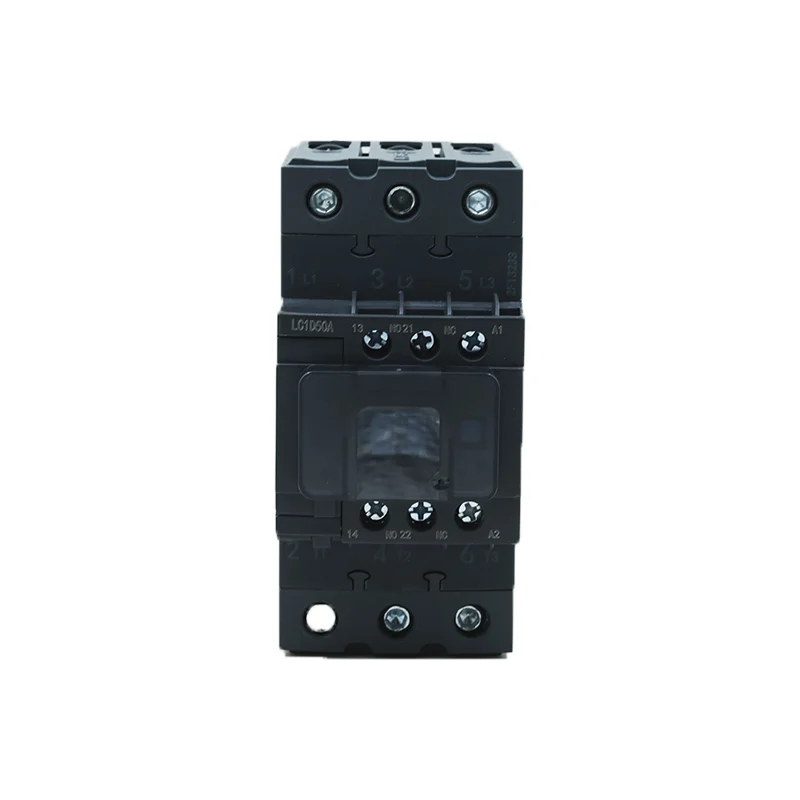
Inside the housing sits an electromagnetic coil above a movable armature. Energize the coil, and the armature pulls down, closing the main power contacts. Cut the signal, and springs snap the contacts open.
When the contacts open under load, a small arc forms. The contactor’s arc-suppression system handles it, which is exactly why contactors survive switching where a manual switch would weld itself shut. Most also carry auxiliary contacts, low-current contacts that feed status back to the controller or seal in the coil circuit. Getting those right matters as much as the main ratings.
The SMO-K Series at a Glance
SMO-K is one of the most widely used contactor families in industrial motor control. Pair it with a thermal overload relay and you have a complete motor starter. Add auxiliary blocks, mechanical interlocks, or surge suppressors, and it adapts to nearly any panel.
WZSMO’s SMO-K line runs from small 9 A units for fractional-horsepower motors up to 150 A for serious industrial loads:
Series
Rated Current
Motor Power (AC-3, 400V)
Typical Applications
SMO-K 09-38
9-38 A
4-18.5 kW
Pumps, fans, compressors, conveyors
SMO-K 40-65
40-65 A
18.5-30 kW
Large pumps, HVAC, machine tools
SMO-K 80-95
80-95 A
37-45 kW
Heavy compressors, crushers, hoists
SMO-K 115-150
115-150 A
55-75 kW
Large motors, process equipment
The SMO-K 09-38 A contactors handle the most common motor sizes in commercial and light industrial settings. The SMO-K 40-65 A range takes on heavier HVAC and pump loads.
How to Select an AC Contactor in Six Steps
1. Match the utilization category
This is the number most people skip, and it’s the one that matters most. AC-1 covers non-inductive loads like heating. AC-3 covers squirrel-cage motors, meaning start and stop while running. For motor control, size against AC-3. If the application does frequent inching or plugging, you need the AC-4 rating instead.
2. Size against full-load current
The contactor’s rated current must equal or exceed the motor’s full-load current at your AC-3 category. Don’t size by horsepower alone. The same kW rating draws different currents at different voltages, and guessing wrong shortens contact life fast.
3. Choose the coil voltage
Match the coil to your control circuit. 24 V AC/DC for PLC-driven panels. 110 V or 220 V for conventional control wiring. 380 V for direct line-voltage control. Getting this wrong is the single most common ordering error in motor control, so double-check before you buy.
4. Count poles and auxiliary contacts
Most motor applications want a 3-pole contactor plus one or two auxiliary contacts for control logic. Confirm your NO/NC auxiliary requirements before ordering. Retrofitting them later is annoying and costs more.
5. Check electrical and mechanical life
For high-cycle applications like conveyors and packaging lines, compare mechanical life (often 10 million operations or more) and electrical life at your AC-3 current. A bigger frame often buys dramatically longer electrical life. Worth the extra panel space.
6. Add protection and accessories
Pair the contactor with a matched thermal overload relay. That relay, not the contactor, protects the motor. And if your control circuit is PLC-driven, add surge suppressors to protect the coil from transients.
For heavier duty, the SMO-K 80-95 A and SMO-K 115-150 A frames give you the contact margins industrial process equipment demands.
Five Mistakes That Kill Contactors Early
Undersizing the frame. A contactor running at its current limit runs hot, and heat is the enemy of contact life.
Wrong coil voltage. Undervoltage makes contacts chatter. Overvoltage burns the coil. Both kill the contactor young.
Ignoring the utilization category. Using an AC-1 rated contactor on motor duty is a recipe for welded contacts.
Skipping the overload relay. The contactor protects the circuit, not the motor. The thermal relay is what saves the motor.
Forgetting the environment. Dust and humidity shorten contactor life. Dirty or damp locations need a proper enclosure or derating.
FAQ
What’s the difference between a contactor and a relay?
Both are electrically operated switches. But contactors switch power circuits, with higher currents, arc suppression, and often three poles. Relays switch low-power control signals. Inside a panel you typically find relays feeding contactor coils.
Can I use a contactor for DC loads?
Only if it’s rated for DC. DC arcs are harder to extinguish than AC arcs, so DC contactors need different contact materials and arc chambers. Standard AC contactors aren’t interchangeable.
What does AC-3 mean on the nameplate?
AC-3 is the utilization category for squirrel-cage motor duty. The contactor makes, carries, and breaks the motor’s running current. It’s the rating to reference for normal motor start/stop applications.
Do I still need an overload relay if the contactor has one built in?
Some ranges offer integrated overloads, but in most SMO-K-style installations the thermal relay is a separate module below the contactor. Either way, motor protection is essential. A contactor alone doesn’t protect the motor.
How long does an AC contactor last?
Mechanical life runs into the millions of operations. Electrical life depends on load current and switching frequency. Properly sized and applied, an SMO-K contactor outlasts most of the equipment it controls.
Specify with Confidence
Three numbers decide it: the motor’s full-load current, the coil voltage of your control circuit, and the utilization category of your load. Get those right, add a matched overload relay, and you have a starter that runs for years.
WZSMO builds the full SMO-K contactor range from 9 A to 150 A, with custom coil voltages and accessories for OEM projects. Contact our team for a complete motor-control solution tailored to your spec.
What an AC Contactor Supplier Should Specify Before Quoting An AC contactor looks like a simple device until you order one from an overseas supplier. The catalogue entry shows a current rating and a coil voltage, and that is where most purchasing stops. By the time the shipment arrives, the difference between a usable part […]
What MCCB Price Actually Reflects Two quotations for molded case circuit breakers can differ by a factor of ten and both be legitimate. The reason is that an MCCB price is not one number. It is a set of variables multiplied together, and most buyers receive quotations that differ in more than one of those […]
What Makes an MCCB Supplier China Evaluation Different Ask a distributor why they buy molded case circuit breakers from China and you will usually get a price answer. Price matters, but it is the least complicated part of the decision. What actually determines whether an import program succeeds is whether the supplier you chose can […]