













What Is a Molded Case Circuit Breaker?
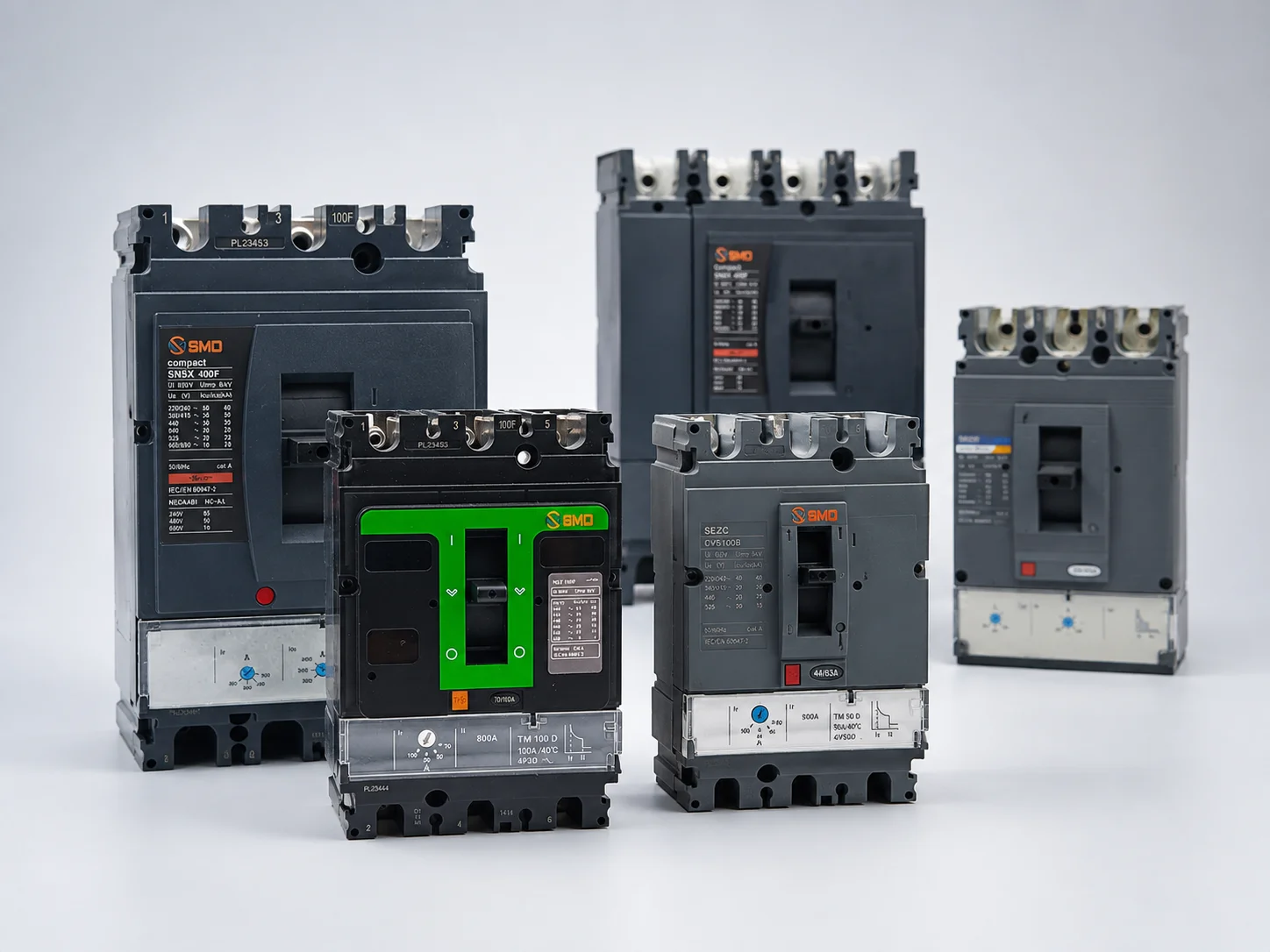
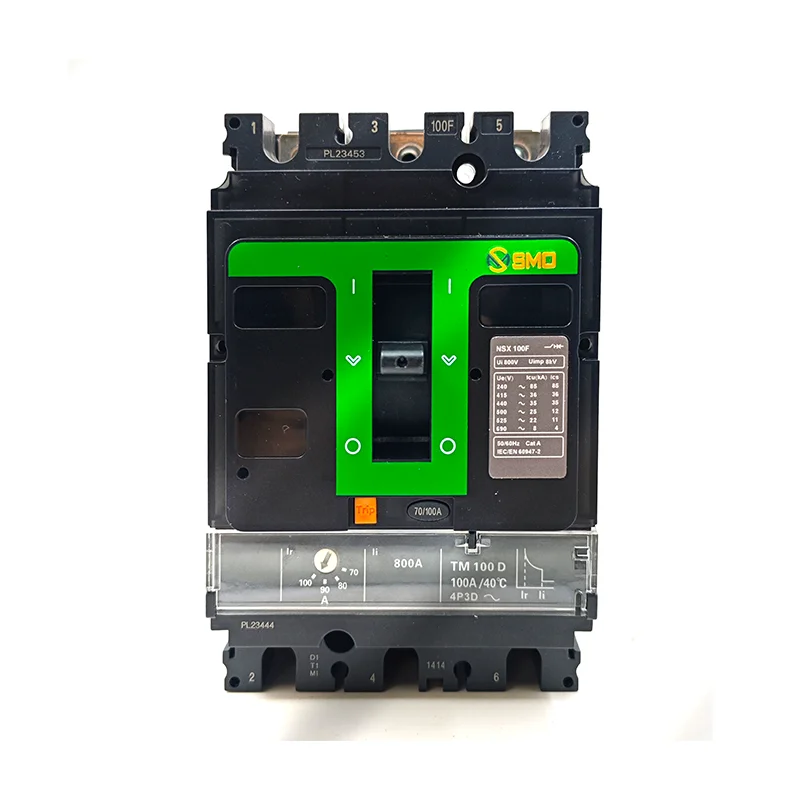
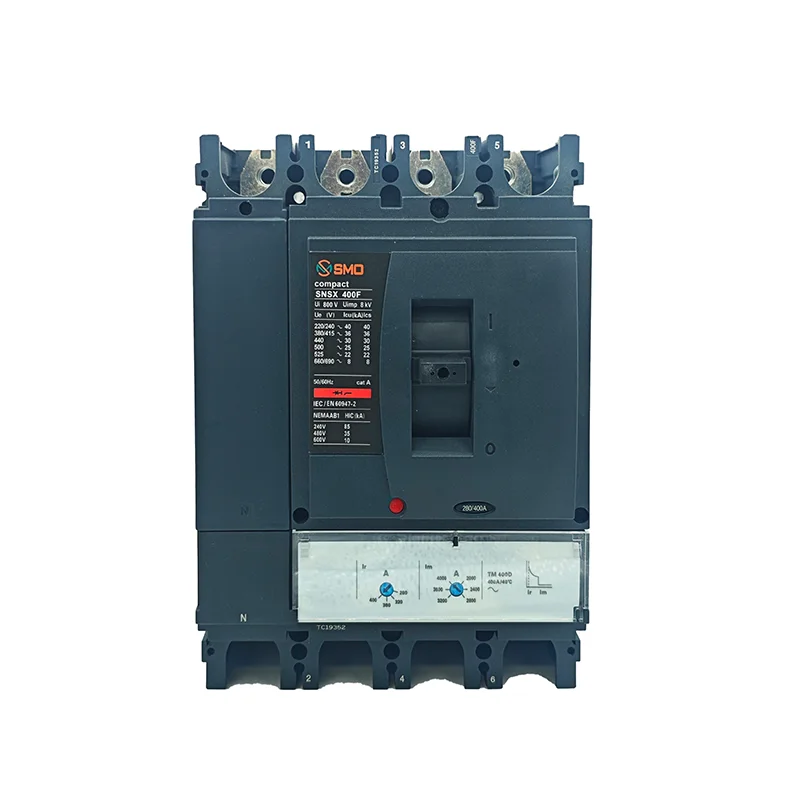
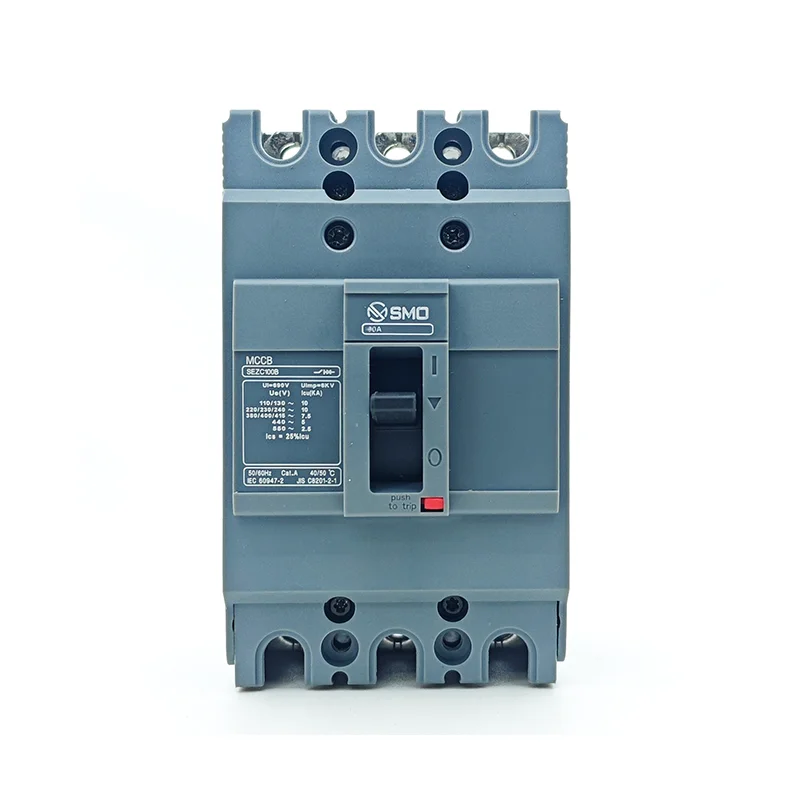
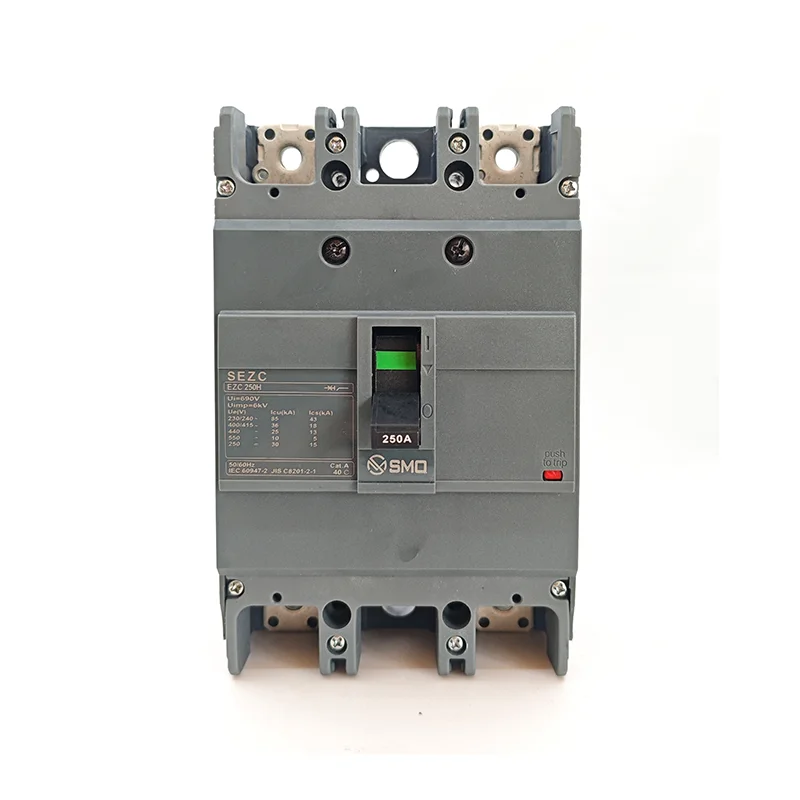
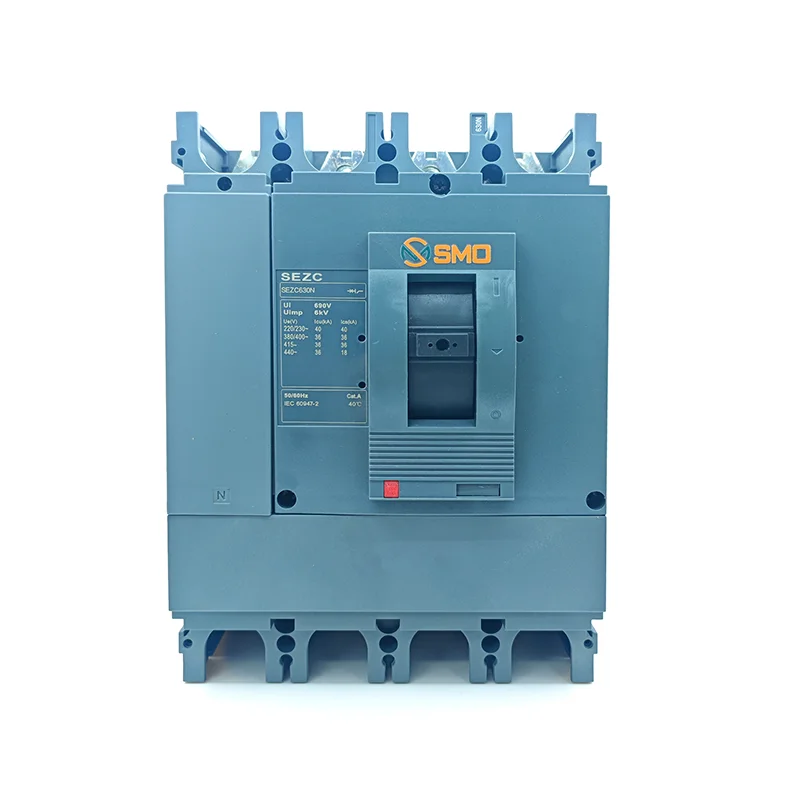
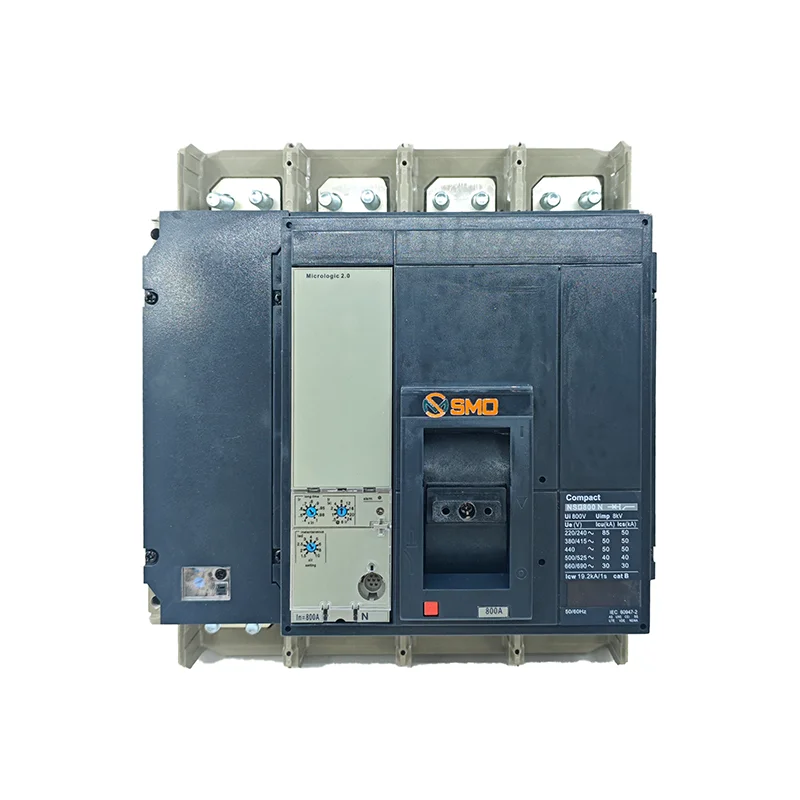
A molded case circuit breaker (MCCB) is a low-voltage circuit protection device housed in a molded insulating case. It is designed to interrupt current when an overload or short circuit occurs, helping protect cables, equipment, and power distribution systems from electrical damage.
Compared with miniature circuit breakers, MCCBs are generally used where higher current ratings, higher short-circuit breaking capacity, adjustable protection settings, or additional accessories are required. Typical applications include main distribution panels, industrial switchboards, motor control systems, commercial buildings, machinery, and other low-voltage power distribution equipment.
How Does an MCCB Work?
An MCCB continuously carries normal load current while monitoring the circuit for abnormal overcurrent conditions. When the current exceeds the protection threshold, the trip mechanism opens the contacts and interrupts the circuit.
With a thermal-magnetic trip unit, the thermal element provides time-delayed overload protection, while the magnetic element responds rapidly to high short-circuit current. MCCBs equipped with an electronic trip unit use current sensing and electronic processing to provide more precise and, depending on the model, more adjustable protection functions.
During interruption, an arc forms as the contacts separate. The internal arc-control system divides and extinguishes the arc so that fault current can be safely interrupted within the breaker's rated performance.
Key MCCB Ratings You Need to Know
When comparing MCCBs, the model name alone is not enough. Buyers and engineers should check the electrical ratings on the datasheet against the actual system conditions.
| Rating | Meaning | Why It Matters |
|---|---|---|
| In | Rated current | Determines the continuous current rating of the breaker. |
| Ue | Rated operational voltage | Must be suitable for the operating voltage of the electrical system. |
| Ui | Rated insulation voltage | Indicates the insulation reference voltage used for dielectric performance. |
| Uimp | Impulse withstand voltage | Indicates the breaker's ability to withstand transient overvoltage. |
| Icu | Ultimate short-circuit breaking capacity | Must be checked against the prospective short-circuit current at the installation point. |
| Ics | Service short-circuit breaking capacity | Helps evaluate the breaker's short-circuit performance during continued service. |
| Poles | 2P, 3P, or 4P configuration | Selected according to the circuit arrangement and whether neutral switching is required. |
Selection Tip: Do not choose an MCCB by rated current alone. System voltage, prospective fault current, breaking capacity, trip-unit characteristics, pole configuration, installation method, and coordination with upstream and downstream protection should all be considered.
Thermal-Magnetic vs. Electronic Trip MCCBs
The MCCB trip unit determines how the breaker detects and responds to abnormal current. Thermal-magnetic and electronic trip units are both widely used, but they are suited to different levels of protection and system complexity.
| Feature | Thermal-Magnetic Trip | Electronic Trip |
|---|---|---|
| Protection Method | Thermal overload + magnetic short-circuit protection | Electronic current sensing and trip control |
| Adjustment | Fixed or limited adjustment, depending on model | Wider adjustment options, depending on trip unit |
| Typical Application | General distribution and standard protection | Systems requiring more precise protection or coordination |
| Selection Priority | Simplicity and cost efficiency | Flexibility, selectivity, and advanced protection functions |
Electronic trip units may provide functions such as adjustable long-time, short-time, and instantaneous protection, while advanced versions may also support additional monitoring or protection functions. Available features depend on the specific MCCB series and trip unit.
How to Select the Right MCCB
Proper MCCB selection starts with the electrical system rather than the breaker model. Before requesting a quotation or selecting a series, confirm the following requirements:
1. Confirm the system voltage and frequency.
The MCCB's rated operational voltage must be suitable for the electrical system in which it will be installed.
2. Determine the required rated current.
Select the breaker according to the design load, conductor capacity, installation conditions, applicable standards, and equipment requirements rather than load current alone.
3. Check the required MCCB breaking capacity.
The breaker's short-circuit rating must be appropriate for the prospective fault current at the installation point. This is especially important in switchboards located close to transformers or other high-fault-current sources.
4. Choose the pole configuration and trip unit.
Select 2P, 3P, or 4P according to the circuit design, and choose thermal-magnetic or electronic protection based on the required protection functions and coordination strategy.
5. Consider installation and accessory requirements.
Check mounting type, terminal arrangement, auxiliary contacts, shunt trip, undervoltage release, motor operators, and other accessories required by the panel or project.
For project purchasing, providing the system voltage, load current, required breaking capacity, number of poles, trip-unit preference, quantity, and application will make MCCB selection and quotation much faster.
MCCB vs. MCB: What Is the Difference?
MCCBs and miniature circuit breakers (MCBs) both provide overcurrent protection, but they are generally used at different levels of a low-voltage distribution system.
| Feature | MCB | MCCB |
|---|---|---|
| Typical Role | Final and branch circuit protection | Feeder, main distribution, and equipment protection |
| Current Capability | Generally used for lower-current circuits | Covers higher-current distribution applications |
| Breaking Capacity | Typically lower | Typically higher, depending on frame and series |
| Trip Settings | Usually fixed | Fixed or adjustable depending on trip unit |
| Typical Applications | Lighting, sockets, small loads, branch circuits | Switchboards, industrial panels, motors, machinery, and main distribution |
The correct choice between an MCB and MCCB depends on system current, fault level, protection requirements, coordination, and the role of the breaker within the distribution system. For more low-voltage protection topics, visit our technical blog.
What Information Should You Provide for MCCB Selection?
To recommend a suitable MCCB, send us your system voltage, rated current, required breaking capacity, number of poles, trip-unit requirements, application, and estimated quantity. If some parameters are still unknown, our team can help you narrow down the appropriate MCCB series based on your project requirements.