




Five years ago, a distributor in São Paulo would not have touched a Chinese MCCB. Today, the same buyer requests quotations from three Zhejiang factories before lunch. The shift is not hype. It is arithmetic.
Chinese electrical manufacturers now ship molded case circuit breakers, miniature circuit breakers, and AC contactors to every continent, and the buyers returning for a second container are not bargain hunters nursing one bad purchase. They are engineering-led distributors and OEMs who ran the numbers, tested the samples, and checked the paperwork. This article covers what those buyers actually gain, the checks they run before signing anything, and where WZSMO fits in the picture.
The Price Gap Is Real, and So Is the Quality Question
Start with the obvious number. A comparable MCCB from a legacy European brand can cost 40% to 60% more than an equivalent unit from a Chinese factory, before freight. Add ocean freight, duties, and warehousing, and the landed-cost gap still settles between 25% and 40% for most markets. For an OEM assembling 2,000 panels a year, that difference covers a full-time engineer’s salary.
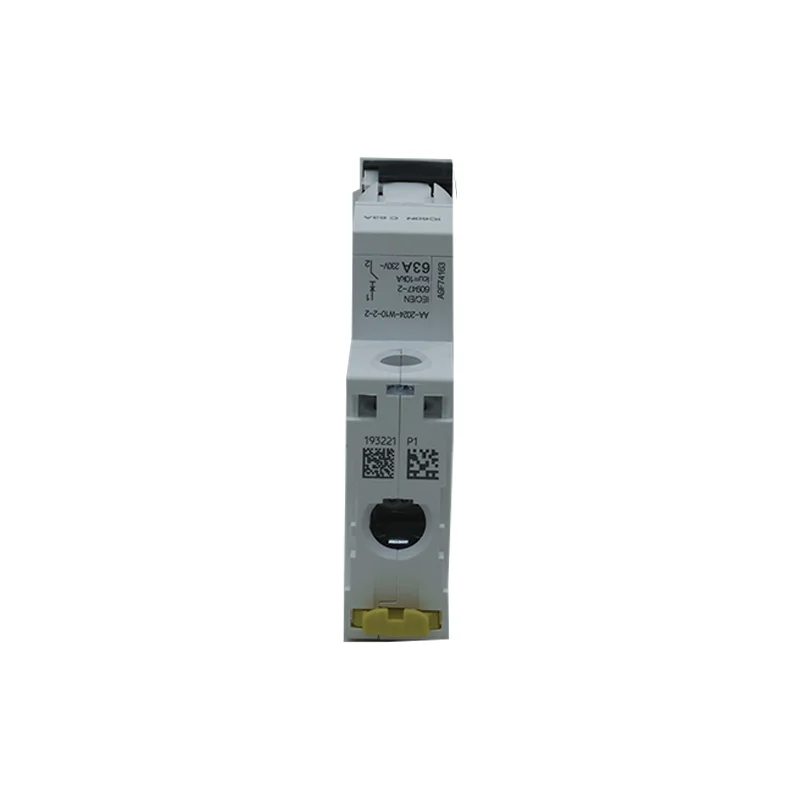
Cheap is not the reason to buy. Value is. The money buys the same IEC 60947 test regime, comparable materials, and a supplier who treats a 500-piece order with the same discipline as a full container. The SiC60N miniature circuit breaker is a working example: 1A to 63A, 6 kA breaking capacity, tested to both IEC 60898-1 and IEC 60947-2, and every unit checked before it ships.
Certification Is the Entry Ticket, Not a Differentiator
Serious buyers know the drill: check the certificates first, argue about price later. Chinese manufacturers learned this years ago, and the established ones now hold the full suite. For breakers, that means IEC 60947-2; for contactors, IEC 60947-4-1. The SNS series molded case circuit breakers, spanning the 100 A frame up to 1600 A, carry IEC 60947-2 and UL 489 certification with insulation rated to 750 V.
What separates suppliers is not whether the certificate exists but what the test report actually shows. Ask for the type-test document, not a screenshot of the certificate page. Check the laboratory, the standard edition, and the product range it covers. A factory that hesitates to share test data either has something to hide or does not understand what buyers need. Both are reasons to walk.

ODM/OEM: When a Stock Product Is Not Enough
Distributors in one market want their own brand on the box. An OEM in another needs a trip curve tuned to its panel design, or a terminal layout that saves 4 mm of rail space. Stock catalogs do not stretch that far, which is exactly what the ODM/OEM program at WZSMO was built for.
Private labeling touches more than the front label. Brand marking means your logo lands on the product, the retail box, the export carton, and the packing list. Parameter customization can cover rated current, pole count, tripping curve, auxiliary contacts, or a rotary handle where the panel layout demands one. Packaging follows your market’s conventions, down to barcodes that match your inventory system.
That is the difference between a factory and a manufacturing partner. WZSMO has run private-label programs for distributors across the United States, Brazil, and India, and the conversation usually starts with one question: what does your market actually need? The company’s history is on the about us page, and the factory story starts there.
Lead Times and MOQ Elasticity
Nobody plans a stock-out. But when one happens, the supplier who can ship in three weeks instead of twelve becomes the hero of the purchasing department.
Standard items from WZSMO leave the factory in 15 to 25 working days. OEM orders with custom marking or packaging run 30 to 45 days, depending on complexity. MOQs start low enough for a distributor testing a new market, and the price schedule rewards commitment as volumes grow.
The supply chain behind those lead times is the quiet advantage. Component suppliers, injection-molding shops, copper part makers, and testing labs sit within a few hours of the Zhejiang plant, so a design change does not stall for weeks waiting on an imported part. That density is hard to replicate elsewhere, and it is why Chinese electrical manufacturers can quote short dates and then keep them.
Quality Systems: ISO 9001 and What It Actually Buys
Certificates open the door. Quality systems keep it open. ISO 9001 is the baseline for serious exporting manufacturers, and it covers documented processes, inspection points, and corrective action loops that run even when no customer is watching.
What ISO 9001 does not show you is how a factory behaves under pressure. A rush order arrives, a material batch is late, a test fails at 2 a.m. The systems decide whether the customer hears about it early or discovers it at the port. That behavior is what repeat buyers are actually paying for, and it is why the buyers who audit carefully keep coming back.
The Due Diligence Checklist: What a Smart Buyer Checks First
None of the advantages above survive a bad supplier. That is why every buyer who has done this before runs the same short list before the first order.
| Check | What to look for | Red flags |
|---|---|---|
| Factory audit | Real production lines, documented inspection steps, worker count that matches claims | A trading office with no visible manufacturing |
| Sample testing | Trip times, breaking performance, and endurance against the datasheet | Samples that differ from production units |
| Certification review | IEC 60947 type-test reports from accredited laboratories | Certificates from unknown bodies or expired standard editions |
| Commercial terms | Clear payment terms, Incoterms, written lead-time commitments | Cash-only demands or discounts that look too good |
| Customer references | Other distributors or OEMs in similar markets | No existing customers in your region |
Do not skip the factory visit. Video calls help, but walking the floor answers questions a camera cannot: who actually assembles the product, how components are stored, whether the test equipment is used or decorative. We publish answers to the common questions buyers ask about working with us on the FAQ page, and we are happy to schedule a live factory walkthrough for anyone evaluating us.
FAQ
Are Chinese circuit breakers safe for commercial and industrial installations?
Yes, when they carry type-test reports to IEC 60947 from an accredited laboratory and you verify samples against the datasheet. The standard is the same one European brands test to. Verification is where the difference lives, which is why sample testing matters.
How much can a distributor actually save by sourcing from China?
Landed-cost savings typically land between 25% and 40% compared with equivalent European-branded units, depending on volume, freight, and duties. The savings disappear quickly if the supplier fails inspection, so the audit is the step that protects the number.
What is the typical MOQ for private-label breakers?
For WZSMO, MOQs start at a few hundred pieces for standard MCB ratings and scale with the amount of customization. OEM projects with custom marking or packaging usually need a larger commitment, and the exact figure depends on the product line.
How do I verify a factory’s IEC certification?
Ask for the type-test report, not just the certificate. Check the testing laboratory, the standard edition, and the product range covered, then match the tested ratings to the datasheet you were quoted.
How long does a private-label order take?
Standard products ship in 15 to 25 working days. Customized OEM orders with brand marking or packaging generally take 30 to 45 days, plus transit time to your port.
The Calculation Only Works With the Right Partner
Sourcing from China is not a shortcut. It is a calculation, and the math only holds when the supplier carries its side: real certification, honest lead times, and manufacturing depth that survives an audit. Find that partner and the savings compound order after order.
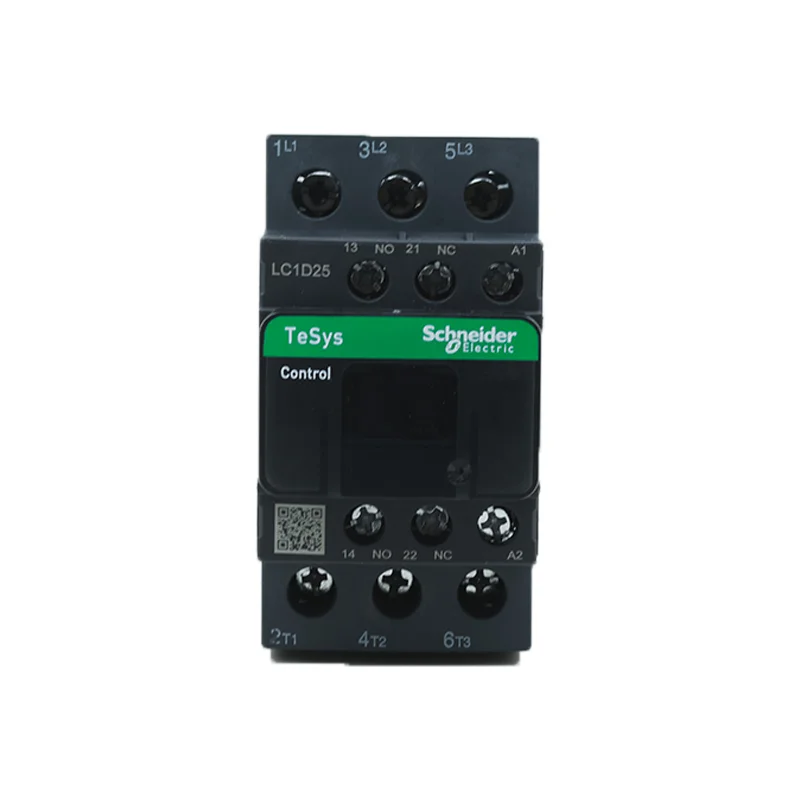
WZSMO builds MCCBs from 100 A to 1600 A, MCBs from 1 A to 63 A, and LC1D-series contactors, all under IEC standards, with ODM/OEM support for distributors and panel builders. Tell us your market, your volumes, and your timeline, and we will show you what the numbers look like. Contact WZSMO to start the conversation.