AC Kontaktör Seçim Kılavuzu: SMO-K Serisi Teknik Özellikler, Bobinler ve Uygulamalar
Yayın tarihi: Yazar: Rachel
Her motor devre başlatıcısında bir tane bulunur. Her HVAC kontrol panelinde ise birkaç tane gizlidir. AC kontaktörü, gücü milyonlarca kez açıp kapatan iş gücü niteliğindedir ve nadiren dikkat çekmez. Ta ki arızalanana kadar.
Seçim işlemi karmaşık değildir, ancak hataya yer bırakmaz. Üç rakamı doğru tahmin ederseniz, kontaktör kontrol ettiği makineden daha uzun ömürlü olur. Yanlış tahmin ederseniz, altı ay içinde kontakları değiştirmek zorunda kalırsınız.
Bir AC Kontaktörünün Çalışma Prensibi
Muhafazanın içinde, hareketli bir armatürün üzerinde bir elektromanyetik bobin bulunur. Bobine akım verildiğinde armatür aşağı doğru çekilir ve ana güç kontaklarını kapatır. Sinyal kesildiğinde ise yaylar devreye girerek kontakları açar.
Kontaklar yük altında açıldığında küçük bir ark oluşur. Kontaktörün ark bastırma sistemi bunu kontrol altına alır; işte bu nedenle kontaktörler, manuel bir anahtarın kendiliğinden kaynaklanarak kapanacağı durumlarda bile anahtarlama işlemini başarıyla gerçekleştirir. Çoğu kontaktörde ayrıca, durumu kontrol ünitesine geri bildiren veya bobin devresini kapatan düşük akımlı yardımcı kontaklar bulunur. Bunların doğru seçilmesi, ana teknik özellikler kadar önemlidir.
SMO-K Serisine Genel Bakış
SMO-K, endüstriyel motor kontrolünde en yaygın olarak kullanılan kontaktör ailelerinden biridir. Bunu bir termal aşırı yük rölesiyle birleştirdiğinizde eksiksiz bir motor çalıştırıcı elde edersiniz. Yardımcı bloklar, mekanik kilitler veya aşırı gerilim koruyucuları eklediğinizde ise neredeyse her türlü panele uyum sağlar.
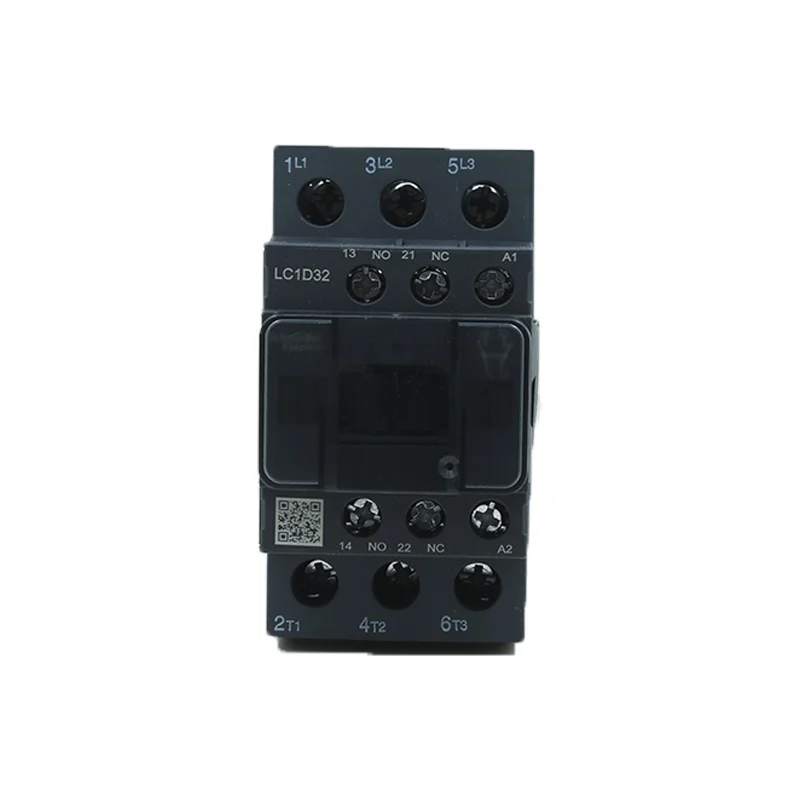
WZSMO’nun SMO-K serisi, kesirli beygir gücündeki motorlar için 9 A’lık küçük ünitelerden, ağır endüstriyel yükler için 150 A’ya kadar uzanmaktadır:
Dizi
Anma Akımı
Motor Gücü (AC-3, 400 V)
Tipik Uygulamalar
SMO-K 09-38
9-38 A
4–18,5 kW
Pompalar, fanlar, kompresörler, konveyörler
SMO-K 40-65
40–65 A
18,5–30 kW
Büyük pompalar, HVAC, takım tezgahları
SMO-K 80-95
80-95 A
37–45 kW
Ağır kompresörler, kırıcılar, vinçler
SMO-K 115-150
115-150 A
55–75 kW
Büyük motorlar, proses ekipmanları
Şu SMO-K 09-38 A kontaktörleri ticari ve hafif endüstriyel ortamlarda en yaygın motor boyutlarını işleyebilir. Bu SMO-K 40-65 A Bu seri, daha ağır HVAC ve pompa yüklerini üstlenir.
Altı Adımda Bir AC Kontaktörünün Seçilmesi
1. Kullanım kategorisiyle eşleştirin
Bu, çoğu kişinin atladığı sayıdır ve aslında en önemli olan da budur. AC-1 ısıtma gibi endüktif olmayan yükleri kapsar. AC-3 Sincap kafesli motorları kapsar; yani çalışma sırasında başlatma ve durdurma işlemlerini içerir. Motor kontrolü için AC-3 sınıfına göre boyutlandırma yapın. Uygulamada sık sık küçük adımlarla hareket etme veya tıkanma durumları söz konusuysa, bunun yerine AC-4 sınıfını kullanmanız gerekir.
2. Boyut ile tam yük akımı arasındaki ilişki
Kontaktörün nominal akımı, AC-3 kategorisinde motorun tam yük akımına eşit olmalı veya bunu aşmalıdır. Boyutlandırmayı yalnızca beygir gücüne göre yapmayın. Aynı kW değeri, farklı gerilimlerde farklı akımlar çeker ve yanlış tahmin, kontak ömrünü hızla kısaltır.
3. Bobin gerilimini seçin
Bobini kontrol devrenize uygun olarak seçin. PLC ile kontrol edilen paneller için 24 V AC/DC. Geleneksel kontrol kablolaması için 110 V veya 220 V. Doğrudan hat gerilimi kontrolü için 380 V. Bu konuda hata yapmak, motor kontrolünde en sık görülen sipariş hatasıdır; bu nedenle satın almadan önce iki kez kontrol edin.
4. Kutupları ve yardımcı kontakları sayın
Çoğu motor uygulamasında, kontrol mantığı için 3 kutuplu bir kontaktör ile bir veya iki yardımcı kontak gerekir. Sipariş vermeden önce NO/NC yardımcı kontak gereksinimlerinizi teyit edin. Bunları sonradan takmak zahmetlidir ve maliyeti daha yüksektir.
5. Elektriksel ve mekanik ömrü kontrol edin
Konveyörler ve paketleme hatları gibi yüksek döngü sayısına sahip uygulamalar için, mekanik ömrü (genellikle 10 milyon işlem veya daha fazla) ile AC-3 akımındaki elektriksel ömrü karşılaştırın. Daha büyük bir gövde, genellikle elektriksel ömrü önemli ölçüde uzatır. Ekstra panel alanı ayırmaya değer.
6. Koruma ve aksesuarlar ekleyin
Kontaktörü, ona uygun bir termal aşırı yük rölesiyle eşleştirin. Motoru koruyan, kontaktör değil, bu röledir. Ayrıca, kontrol devreniz PLC ile yönetiliyorsa, bobini geçici akım dalgalanmalarından korumak için dalgalanma önleyiciler ekleyin.
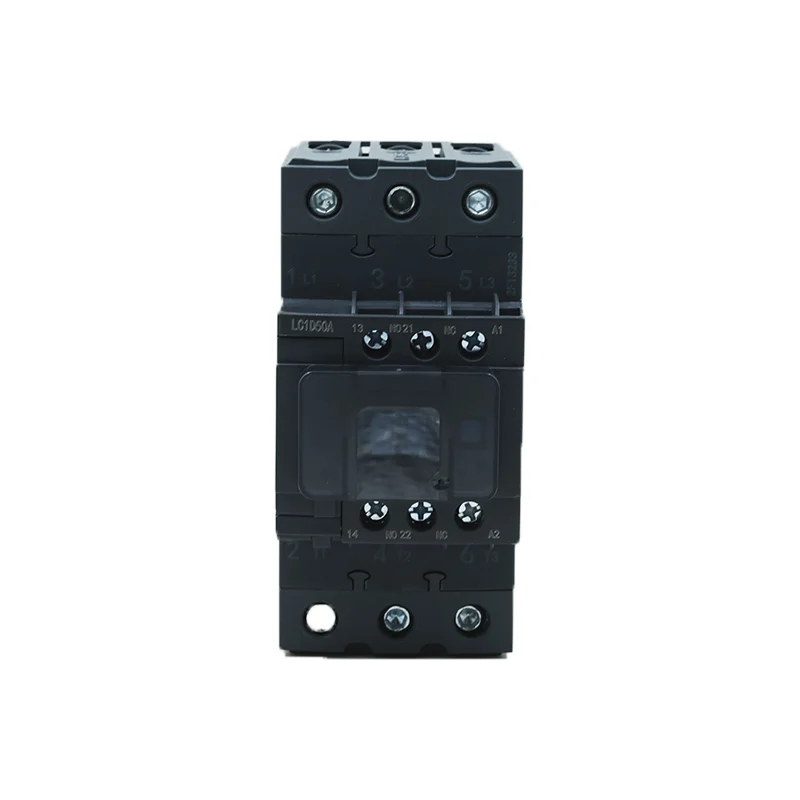
Daha ağır işler için, SMO-K 80-95 A ve SMO-K 115-150 A Çerçeveler, endüstriyel proses ekipmanlarının gerektirdiği temas paylarını sağlar.
Kontaktörlerin Ömrünü Erken Sonlandıran Beş Hata
Çerçevenin boyutunun küçük tutulması. Akım sınırında çalışan bir kontaktör ısınır ve ısı, kontaktör ömrünün baş düşmanıdır.
Bobin gerilimi yanlış. Düşük gerilim, kontakların titremesine neden olur. Aşırı gerilim ise bobini yakar. Her ikisi de kontaktörün ömrünü erken bitirir.
Kullanım kategorisini göz ardı ederek. Motor yükünde AC-1 sınıfı bir kontaktör kullanmak, kontakların birbirine yapışmasına yol açar.
Aşırı yük rölesini atlamak. Kontaktör devreyi korur, motoru değil. Motoru koruyan şey termal röledir.
Çevreyi göz ardı etmek. Toz ve nem, kontaktörün ömrünü kısaltır. Kirli veya nemli ortamlarda uygun bir muhafaza kullanılması veya güç derecesinin düşürülmesi gerekir.
Sık Sorulan Sorular
Kontaktör ile röle arasındaki fark nedir?
Her ikisi de elektrikle çalıştırılan anahtarlardır. Ancak kontaktörler, daha yüksek akımlara sahip, ark bastırma özelliğine sahip ve genellikle üç kutuplu güç devrelerini anahtarlar. Röleler ise düşük güçlü kontrol sinyallerini anahtarlar. Bir panonun içinde genellikle kontaktör bobinlerine besleme sağlayan röleler bulunur.
DC yükleri için kontaktör kullanabilir miyim?
Ancak DC için tasarlanmışsa. DC arkları, AC arklarına göre söndürülmesi daha zordur; bu nedenle DC kontaktörlerinde farklı kontak malzemeleri ve ark odaları kullanılır. Standart AC kontaktörleri birbirinin yerine kullanılamaz.
Tip plakasında AC-3 ne anlama gelir?
AC-3, kafesli motorların çalışma koşulları için kullanılan kullanım kategorisidir. Kontaktör, motorun çalışma akımını açar, taşır ve keser. Bu, normal motor çalıştırma/durdurma uygulamaları için referans alınması gereken değeridir.
Kontaktörde dahili bir aşırı yük rölesi varsa, yine de bir aşırı yük rölesine ihtiyacım var mı?
Bazı serilerde entegre aşırı yük korumaları bulunur, ancak çoğu SMO-K tipi kurulumda termal röle, kontaktörün altında yer alan ayrı bir modüldür. Her iki durumda da motor koruması hayati önem taşır. Kontaktör tek başına motoru korumaz.
Bir AC kontaktörünün ömrü ne kadardır?
Mekanik ömrü milyonlarca çalışmaya ulaşır. Elektriksel ömrü ise yük akımına ve anahtarlama frekansına bağlıdır. Doğru boyutlandırılıp uygulandığında, bir SMO-K kontaktör, kontrol ettiği ekipmanların çoğundan daha uzun ömürlüdür.
Güvenle Belirtin
Bunu belirleyen üç rakam vardır: motorun tam yük akımı, kontrol devrenizin bobin gerilimi ve yükünüzün kullanım kategorisi. Bunları doğru ayarlayın, uygun bir aşırı yük rölesi ekleyin; işte size yıllarca çalışacak bir marş motoru.
WZSMO, tam sürümü oluşturur SMO-K kontaktör serisi 9 A ile 150 A arasında, OEM projeleri için özel bobin gerilimleri ve aksesuarlar ile. Ekibimizle iletişime geçin spesifikasyonlarınıza göre özel olarak tasarlanmış eksiksiz bir motor kontrol çözümü için.
Bir AC kontaktör tedarikçisinin teklif vermeden önce belirtmesi gerekenler Bir AC kontaktör, yurtdışı bir tedarikçiden sipariş verene kadar basit bir cihaz gibi görünür. Katalogda akım değeri ve bobin gerilimi belirtilir ve çoğu satın alma süreci bu noktada sona erer. Sevkiyat elinize ulaştığında ise, kullanılabilir bir parça ile […] arasındaki fark […]
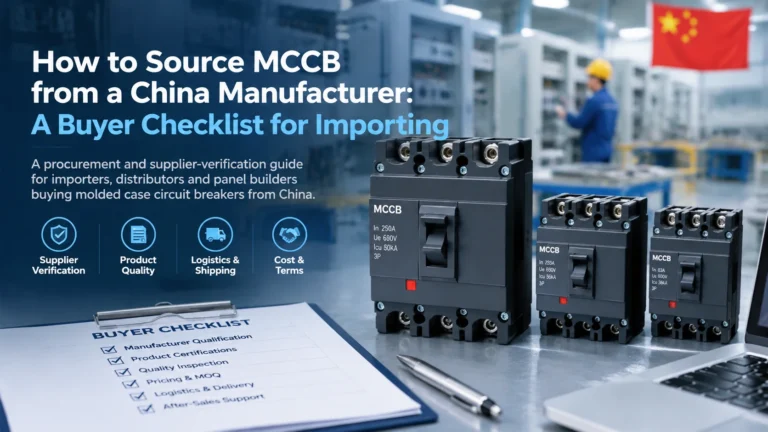
MCCB Fiyatı Aslında Neler Yansıtıyor? Kalıplı gövdeli devre kesiciler için verilen iki teklif, on kat fark gösterebilir ve her ikisi de geçerli olabilir. Bunun nedeni, bir MCCB fiyatının tek bir rakamdan ibaret olmamasıdır. Bu fiyat, birbiriyle çarpılan bir dizi değişkenden oluşur ve çoğu alıcı, bu değişkenlerin birden fazlasında farklılık gösteren teklifler alır […]
Çin’deki MCCB Tedarikçilerinin Değerlendirilmesini Farklı Kılan Nedir? Bir distribütöre neden Çin’den kalıplı gövdeli devre kesiciler satın aldığını sorarsanız, genellikle fiyatla ilgili bir cevap alırsınız. Fiyat önemlidir, ancak karar sürecinin en basit kısmıdır. Bir ithalat programının başarılı olup olmayacağını asıl belirleyen faktör, seçtiğiniz tedarikçinin […]